How Often Should You Get a Facial? A NYC Esthetician's Real Answer
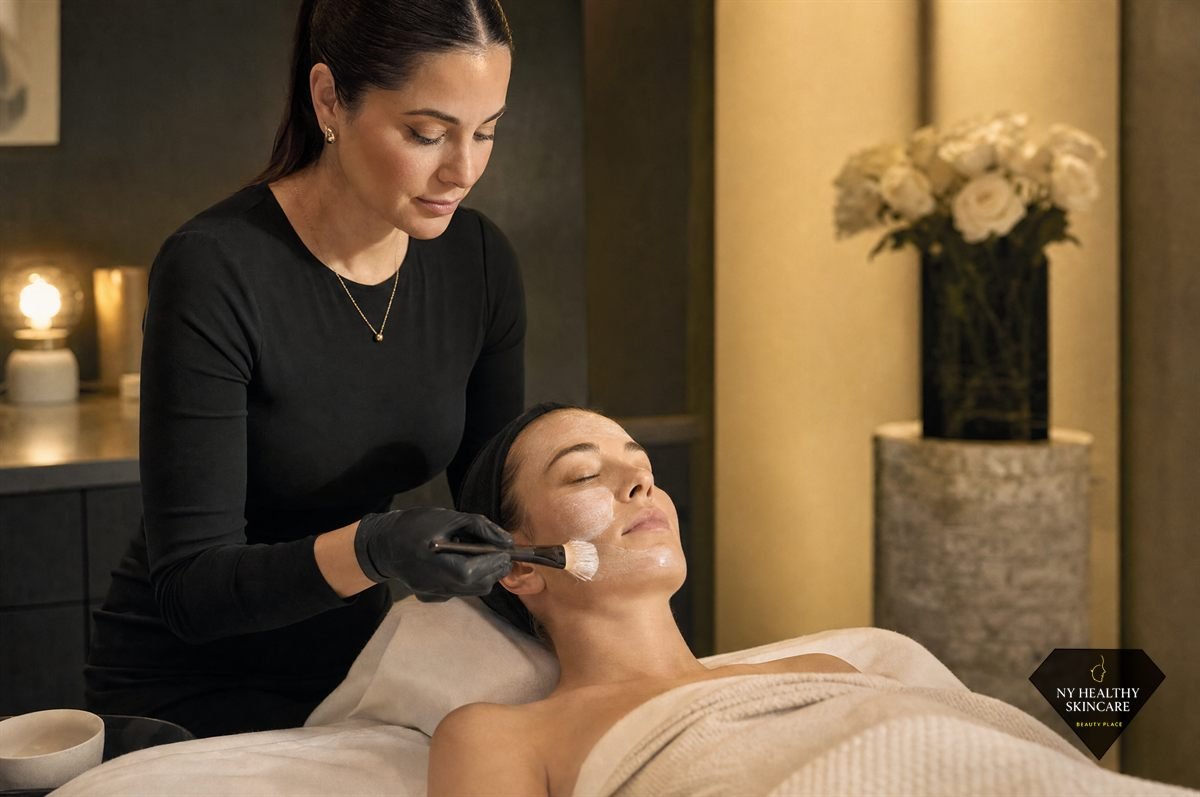
Most people should get a facial every four to six weeks. That window matches your skin's natural renewal cycle — roughly 28 days for new cells to travel from the basal layer to the surface and shed. Treat sooner and you risk compromising the barrier; wait much longer and the results from your last visit have already faded.
But "four to six weeks" is the starting point, not the whole answer. Oily and congested skin often needs every three weeks. Sensitive skin does better at six. And the treatment itself changes the math — a gentle European facial and a medium-depth chemical peel are not on the same schedule.
This guide breaks it down the way we actually schedule clients at our Midtown Manhattan studio: by skin concern, by age, by treatment and by season.
The short version
- Most skin: every 4–6 weeks
- Oily / acne-prone: every 3–4 weeks
- Dry / sensitive: every 5–6 weeks
- Mature skin: every 3–4 weeks
- Before a wedding: monthly, starting 6 months out
How often should you get a facial? The four-to-six-week rule
The four-to-six-week guideline exists for a biological reason, not a commercial one. Professional treatments work with your skin's turnover cycle — clearing the dead cell layer right as it finishes its journey to the surface, so the fresh skin underneath gets the benefit.
Book more frequently than every three weeks with exfoliating or extracting treatments and you start working against that cycle. The barrier doesn't have time to rebuild, and the result is the opposite of what you paid for: sensitivity, redness and a compromised skin barrier that can take months to repair.
Book less often than every eight weeks and each visit essentially starts from zero. Congestion has rebuilt, dead cells have accumulated, and you never get the compounding effect that makes consistent clients' skin visibly different.
The practical rule: pick an interval you can actually sustain. A client who comes every six weeks for a year sees dramatically better skin than one who books three treatments in a month and then disappears until next summer.
Why four to six weeks? Your skin's renewal cycle
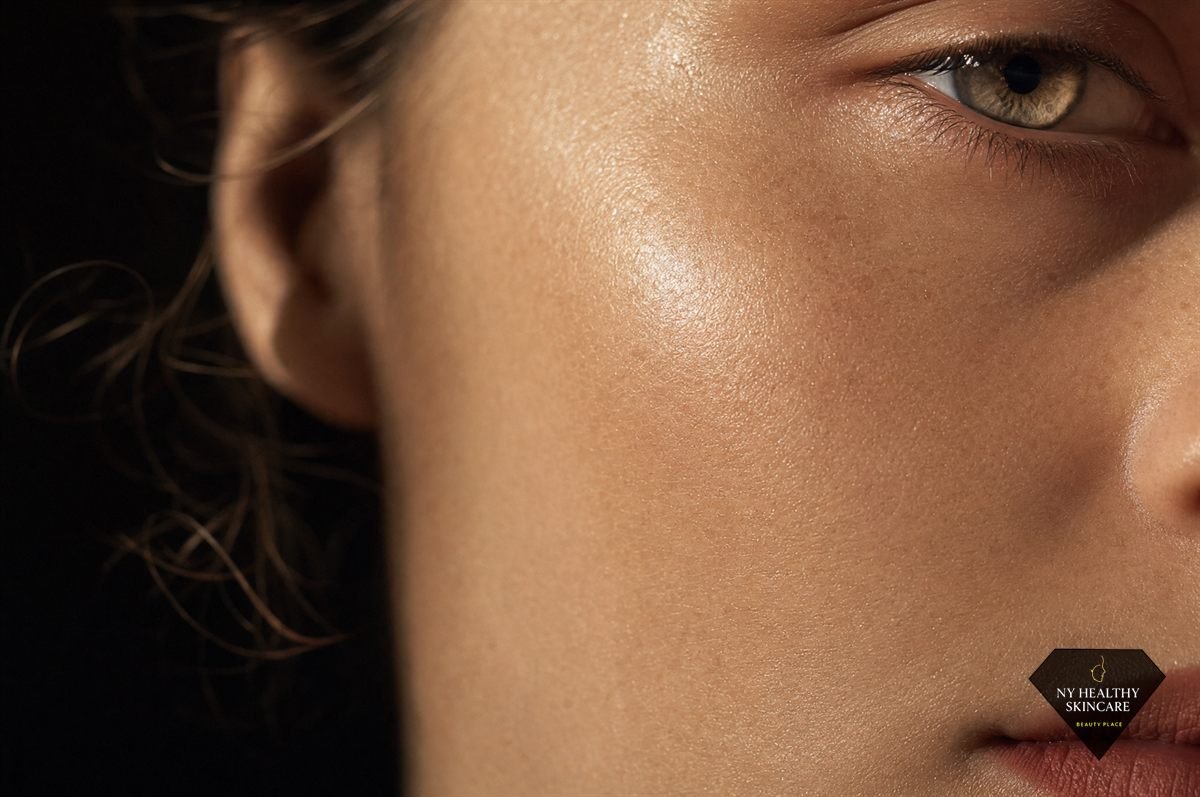
Skin cells are born in the basal layer, the deepest part of the epidermis. They migrate upward over a period of weeks, flattening and hardening as they go, until they reach the surface as corneocytes — dead cells whose job is to shed.
You'll see "28 days" quoted everywhere as the length of that cycle, and it's a useful rule of thumb. The honest version is more nuanced: research on keratinocyte differentiation puts the turnover time at roughly 26 to 28 days, while other measurements of full epidermal turnover in adults land closer to 40 to 56 days depending on age, body site and how it's measured.
What matters practically is the direction: that shedding slows down as we age. In your twenties the cycle runs at its fastest. By your forties it stretches noticeably, and by your sixties it can take close to twice as long. Dead cells linger, light scatters instead of reflecting, and skin looks dull even when it's perfectly healthy underneath.
A professional facial accelerates that process safely: exfoliation removes what's ready to go, extractions clear what's trapped, and the serums applied afterward reach live tissue instead of sitting on a layer of dead cells.
This is why timing matters more than intensity. A moderate treatment on schedule beats an aggressive one at random intervals — every time.
How often by skin type and concern
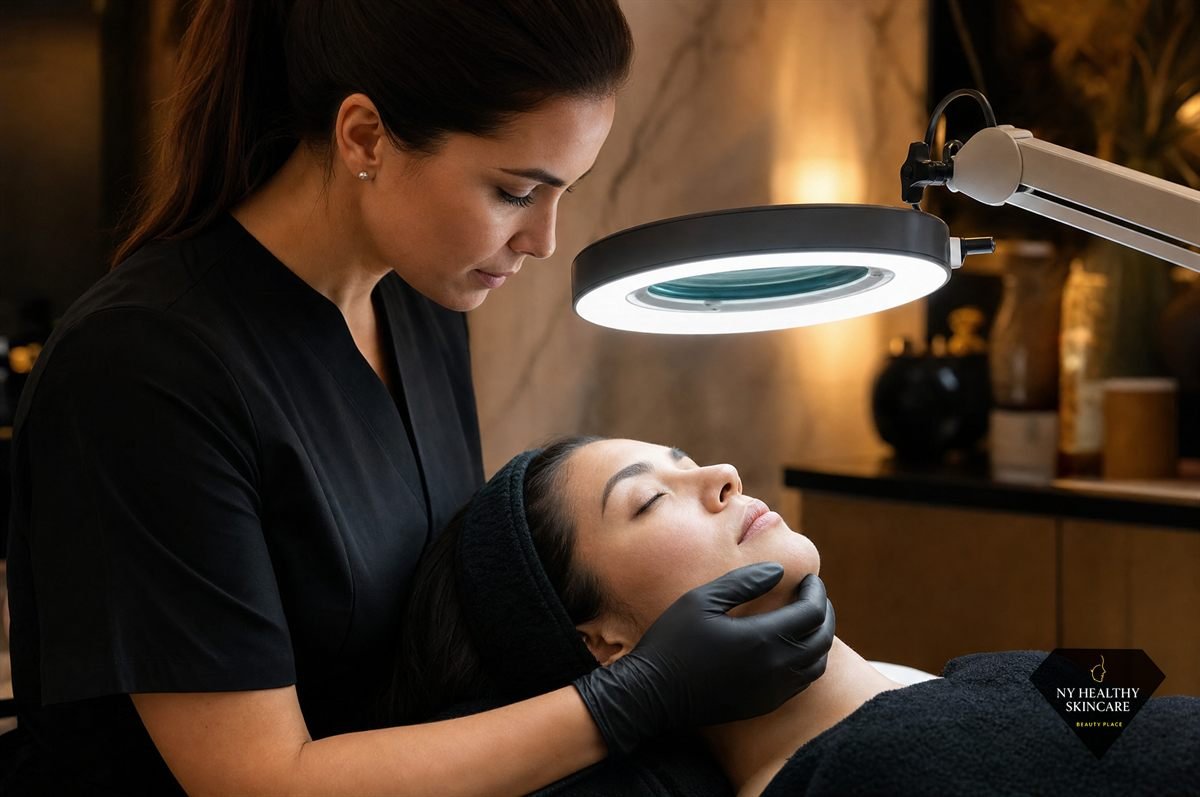
Every appointment at our studio opens with an actual skin analysis, because the right interval depends on what your skin is doing now, not what type it was labelled five years ago.
| Skin type or concern | Recommended frequency | Why |
|---|---|---|
| Oily / acne-prone | Every 3–4 weeks | Sebum and congestion rebuild fast. Waiting lets clogged pores become inflamed breakouts |
| Dry / sensitive | Every 5–6 weeks | The barrier needs longer to recover. Over-treating is the most common mistake here |
| Combination | Every 4 weeks | The standard cycle. Treatment is adjusted zone by zone in the same session |
| Mature | Every 3–4 weeks | Turnover has slowed naturally, so it needs more regular stimulation |
| Congested / blackheads | Every 3–4 weeks initially, then monthly | Clearing established congestion takes a short series, then maintenance |
| Hyperpigmentation | Every 3–4 weeks in a series | Pigment responds to cumulative treatment, not single sessions |
If you have active acne
Start every two to three weeks for the first two months, then move to monthly maintenance. This is the one case where a tighter interval genuinely helps — clearing congestion before it becomes inflamed stops the cycle from compounding.
Be honest with yourself about the timeline, though. Acne isn't resolved in one visit, and anyone who tells you otherwise is selling something. What one session reliably does is clear existing congestion and calm inflammation. Real change comes from a series plus a home routine you can maintain — a pattern supported by the clinical literature on chemical peels for acne, where results come from repeated sessions rather than single treatments.
If you're dealing with deep, painful cystic acne along the jaw, that may need a dermatologist and prescription treatment — and we'll tell you so rather than sell you a package.
⚠️ If you take isotretinoin (Accutane): extractions, peels and resurfacing are not safe during treatment. Consensus recommendations from the American Society for Dermatologic Surgery address the timing of these procedures around isotretinoin use — always tell your esthetician and follow your prescriber's guidance.
How often by age: your 20s through your 60s and beyond
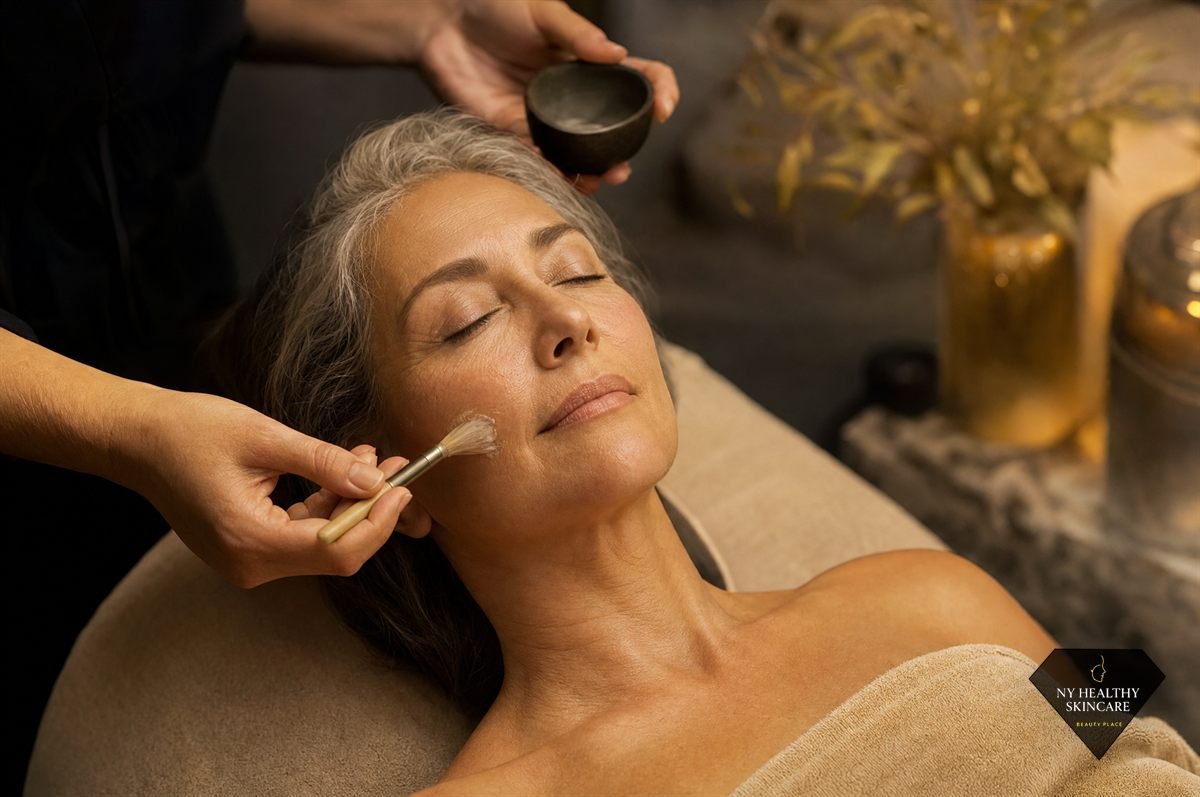
Age changes the answer because cell turnover slows measurably with each decade. Here's how we typically schedule by age group:
| Age | Frequency | Focus |
|---|---|---|
| 20s | Every 4–6 weeks | Prevention, congestion control, building a routine. Turnover is still fast |
| 30s | Every 4 weeks | Early fine lines, first signs of uneven tone, hormonal congestion |
| 40s | Every 3–4 weeks | Turnover slows noticeably. Collagen stimulation becomes the priority |
| 50s | Every 3–4 weeks | Menopausal dryness, loss of firmness, pigmentation from accumulated sun |
| 60s and beyond | Every 3–4 weeks | Barrier support, hydration, gentle stimulation. Comfort over intensity |
Why frequency goes up with age, not down
It's counterintuitive, but the older skin gets, the more it benefits from regular professional stimulation — because the processes a facial supports (turnover, circulation, collagen signalling) are precisely the ones slowing down.
What changes isn't just the interval, it's the intensity. Mature skin generally does better with more frequent, gentler treatments than with occasional aggressive ones. Barrier integrity becomes more fragile with age, and recovering from an over-aggressive session takes far longer at 60 than at 25.
Does the type of facial change the frequency?
Yes — significantly. The interval depends on how deeply the treatment works. Peels are the clearest example: clinical guidance on chemical peels for skin resurfacing groups them as superficial, medium and deep, and each depth carries a very different recovery window and repeat interval.
| Treatment | Frequency | Notes |
|---|---|---|
| European Facial | Every 4 weeks | The baseline. Gentle enough for consistent monthly use |
| Hydradermabrasion | Every 4 weeks | Zero downtime, so it also works as a pre-event glow treatment |
| Microdermabrasion | Every 2–4 weeks in a series, then monthly | Mechanical resurfacing; skin needs recovery between passes |
| Dermaplaning | Every 4 weeks | Matches the turnover cycle exactly |
| Superficial chemical peel | Every 3–4 weeks, series of 3–6 | Acid depth determines recovery time |
| Medium-depth peel | Every few months | Significant downtime; never rush this one |
| LED light therapy | Weekly in a series, then monthly | Non-invasive, so frequency can be higher |
| Microcurrent / RF | Every 2–4 weeks in a series | Results are cumulative and build over sessions |
Combining treatments in one visit
Some pairings work better together than separately. Dermaplaning followed by a peel is the strongest combination on our menu — removing the dead layer first lets the acid penetrate evenly, so the result beats either treatment alone.
Others should not be stacked. Extractions plus a medium peel in the same session is too much for most skin, no matter how well you tolerate each individually.
A useful pattern: keep a monthly European Facial as your baseline, and add a targeted treatment — a peel, dermaplaning, LED — when a specific concern shows up.
Can you get facials too often? The warning signs
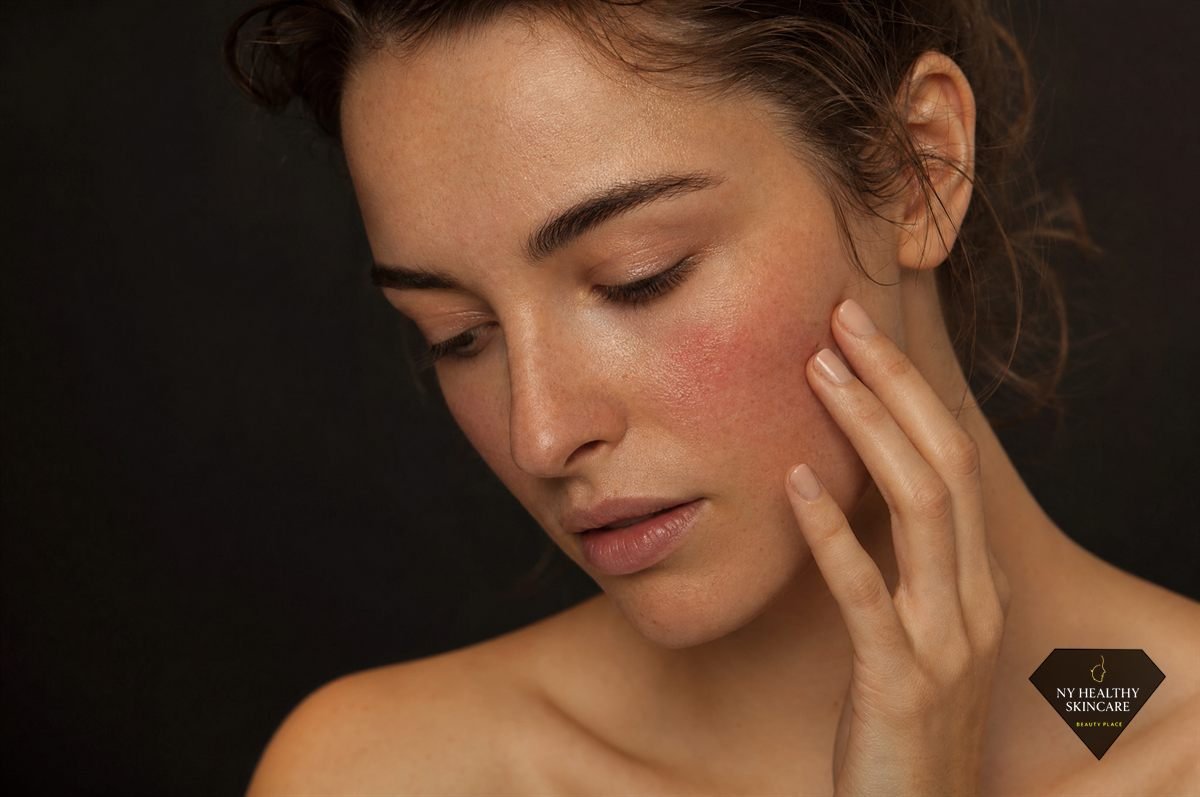
Yes, and it's more common than under-treating. The signs your skin is being over-treated:
- Persistent redness that doesn't settle within 24 to 48 hours
- New sensitivity — products that never stung suddenly do
- Tightness and flaking that isn't dryness but a damaged barrier
- More breakouts, not fewer, despite consistent treatment
- Skin that looks thin or shiny in a translucent way rather than dewy
If you recognise two or more of those, stop treatments for six to eight weeks and simplify your home routine to a gentle cleanser, a plain moisturiser and daily SPF. The barrier rebuilds — but it needs to be left alone to do it.
How to know you're ready for your next facial — the positive signals:
- Congestion visibly returning, especially around the nose and chin
- Skin looking dull despite good home care
- Products absorbing less well than they did
- Texture feeling rough to the touch
Facials before a wedding or big event: the timeline

This is where timing matters most, because the wrong booking window can leave you with visible purging on the day that matters.
The safe timeline:
| When | What to book |
|---|---|
| 6 months before | Start monthly facials. This is when real change is still possible |
| 3 months before | Any peel series should be finishing around now |
| 3–4 weeks before | Last treatment involving extractions or exfoliation |
| 1 week before | Nothing new. Never try a treatment you haven't had before |
| 3–5 days before | Hydradermabrasion or an oxygen treatment for glow with zero downtime |
| Day before | Nothing. Hydrate and sleep |
The rule that matters most: never book a chemical peel within two weeks of the event. The flaking window is real, it peaks around days three to five, and it cannot be covered with makeup.
The same logic applies to any big day — a photo shoot, a milestone birthday, a presentation. Book the work early, book the glow close.
How to prepare, and what to do afterwards
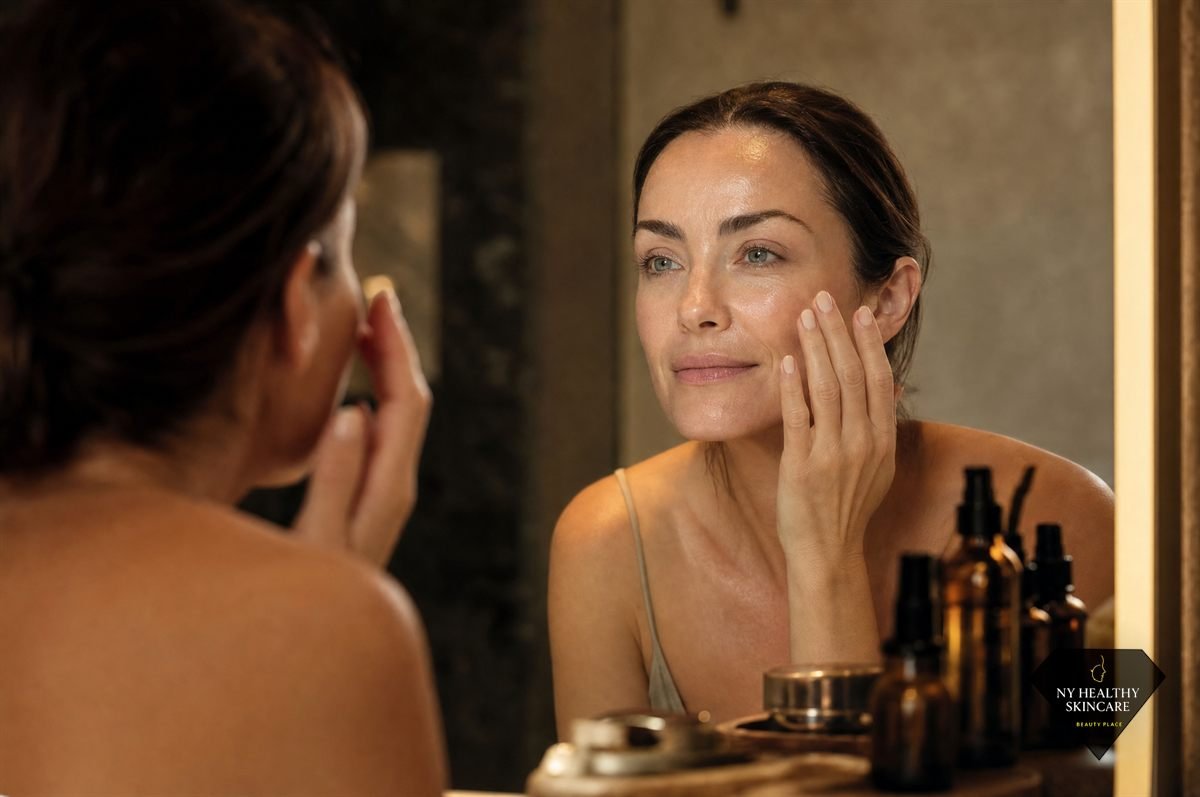
Before your appointment
- Pause retinoids and acids (AHAs, BHAs, prescription retinoids) for five days. This is the single most common reason a treatment has to be adjusted on the spot
- Avoid sun exposure for one to two weeks. Recently tanned or burned skin reacts badly
- Don't shave, wax or thread facial hair within 24 hours
- Come as you are — makeup isn't a problem, we'll remove it properly
- Tell us about medications. Isotretinoin (Accutane) makes extractions unsafe, and some medications affect how skin responds
After your appointment
- Wait 24 to 48 hours before returning to retinoids and strong actives
- SPF every day — non-negotiable. Freshly treated skin burns and re-pigments easily, which undoes the work
- Keep it simple for two days: gentle cleanser, plain moisturiser
- Don't pick at anything, including flaking after a peel
- Expect some redness after extractions — usually 30 to 60 minutes, occasionally a few hours
If you get unexpected breakouts or prolonged irritation, tell your esthetician. Some purging in the first week is normal as congestion that was already forming surfaces. Prolonged irritation is not, and it's worth adjusting the plan.
What New York does to your skin — and why the schedule shifts
Living in New York changes the calculation, and it's the part most generic advice misses.
Winter is the hardest season here. Building heating in Midtown runs dry and constant, and the result is dehydrated skin that people consistently mistake for dry skin. They reach for heavier creams, which congest the pores, and arrive in February with breakouts they've never had before. What that skin actually needs is water and barrier support, not oil — and treatments shift toward hydration and barrier repair.
Summer brings humidity and sweat, which means more congestion, especially for anyone commuting on the subway. Treatments get lighter, extractions more thorough, and SPF becomes the whole conversation.
Spring and autumn are the right windows for the more intensive work — peel series, resurfacing, anything with a recovery period — because UV exposure is lower and the skin is more stable.
The practical version: keep the same interval year-round, but expect the treatment to change with the season. That's what a real skin analysis at each visit is for.
Book a facial in Midtown Manhattan
We work one client at a time at 252 West 38th Street, Suite 404 — between 7th and 8th Avenue, a short walk from Penn Station, Times Square and Bryant Park.
Every treatment opens with a real skin analysis, so the interval and the protocol are set for the skin you walk in with, not a fixed package. If you're not sure where to start, the European Facial is where most first-time clients begin. If you're dealing with active breakouts, look at the Clear Acne Facial. For glow before an event with no downtime, hydradermabrasion is the one to book.
Rated 4.9 ★ on Google · Fifteen-plus years · One client at a time
Frequently asked questions
How often should you get a facial?
Every four to six weeks for most skin types. That interval matches the skin's natural cell turnover cycle of roughly 28 days. Oily and acne-prone skin often benefits from every three to four weeks, while dry or sensitive skin does better at five to six.
How often should you get a facial in your 40s?
Every three to four weeks. Cell turnover slows measurably in your forties — from roughly 28 days to 45 or more — so skin benefits from more regular professional stimulation, with an emphasis on collagen support and hydration.
How often should you get a facial in your 50s and 60s?
Every three to four weeks, with gentler treatments rather than more aggressive ones. Barrier integrity becomes more fragile with age, so consistency matters more than intensity. Recovery from an over-aggressive session takes far longer at 60 than at 25.
How often should you get a facial for acne?
Every two to three weeks for the first two months, then monthly maintenance. Clearing congestion before it becomes inflamed stops the cycle from compounding. Deep cystic acne may require a dermatologist and prescription treatment alongside professional facials.
Can you get facials too often?
Yes. Signs of over-treatment include persistent redness beyond 48 hours, new sensitivity, tightness and flaking, and more breakouts despite consistent treatment. If that happens, pause for six to eight weeks and simplify your routine to a gentle cleanser, plain moisturiser and daily SPF.
How often should you get a facial before a wedding?
Start monthly facials six months before the date. Schedule the last treatment involving extractions or exfoliation three to four weeks out, and book a no-downtime treatment like hydradermabrasion three to five days before. Never book a chemical peel within two weeks of the event.
How often should you get a facial with dermaplaning?
Every four weeks, which matches the skin's renewal cycle. Dermaplaning removes vellus hair and the surface layer of dead cells, and repeating it more frequently doesn't produce better results — the hair and dead cell layer simply haven't returned yet.
Does the type of facial change how often you should go?
Yes. A European facial or dermaplaning fits a four-week cycle. Microdermabrasion and superficial peels are typically spaced two to four weeks apart in a series. Medium-depth peels need several months between sessions. LED light therapy can be done weekly in a series.
Book a facial in Midtown Manhattan
252 West 38th Street, Suite 404 — one client at a time. Availability shows in real time.