Waxing Aftercare: What to Apply and How to Prevent Ingrown Hairs
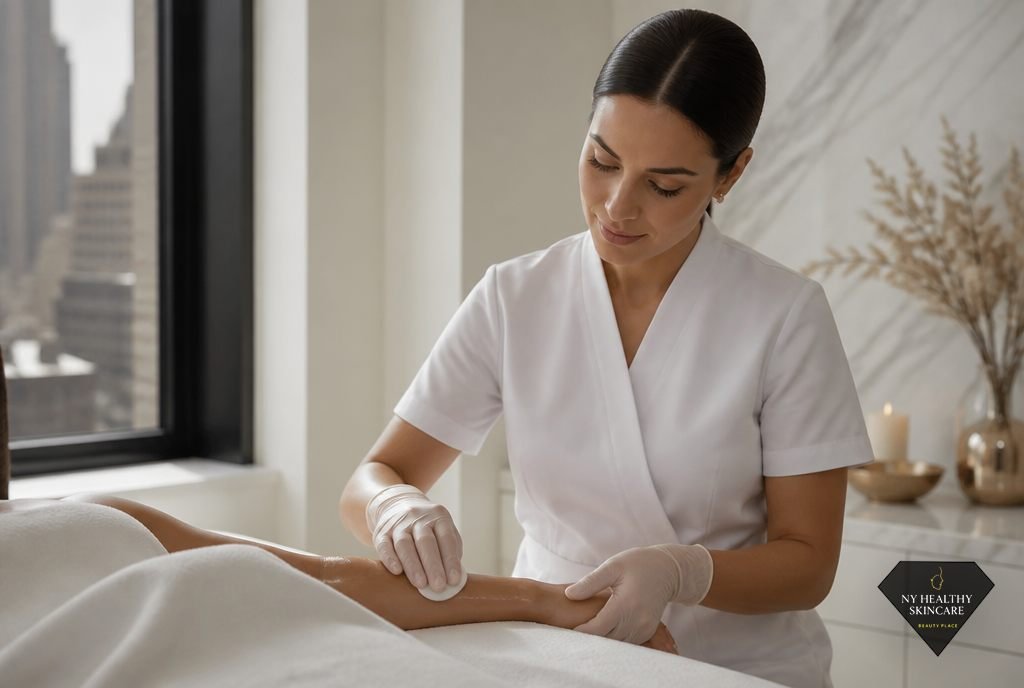
Waxing aftercare starts with 24 hours of no heat, sweat or friction on the waxed skin, then gentle exfoliation 2 to 3 times a week from day 3 and moisturizer every day. Right after the wax, wear loose clothes and put nothing scented on the area. Dry skin is the main reason regrowth gets trapped as an ingrown hair.
We do waxing at our Midtown Manhattan studio on West 38th Street, one client at a time, with fresh product and no double-dipping. Appointments take 15 to 45 minutes depending on the area and start at $30, and a bikini wax is $50 for 20 minutes.
From the first 24 hours to your next wax
- First 24 hours: skip workouts, the sauna, hot showers and direct sun, and wear loose clothes.
- From day 3: exfoliate gently 2 to 3 times a week.
- At least 1 time a day, from the evening of your wax: a fragrance-free moisturizer on the waxed area.
- Every 4 to 6 weeks: your next wax, with no razor in between.
What to do in the first 24 hours after waxing
For the first 24 hours after waxing, the follicles the hair just left are open, so keep heat and sweat away from them: skip the gym, the sauna, hot showers and direct sun.
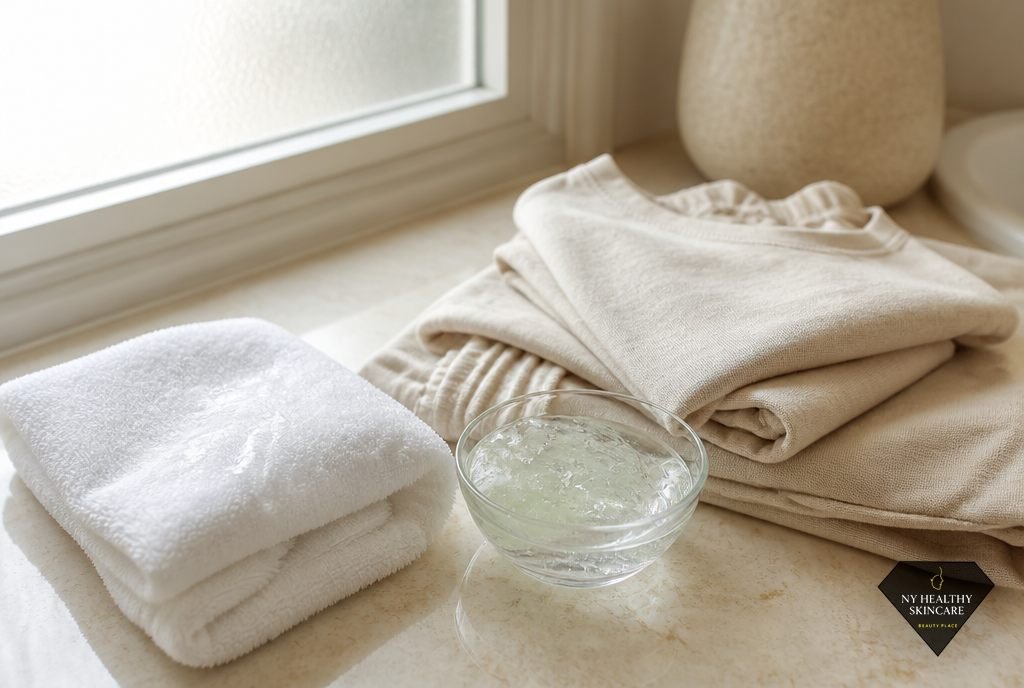
No product closes pores after a wax. The follicles need time, and keeping heat and sweat off them for these 24 hours is the part you control.
Once you're home after a leg or bikini wax, the first change is clothing: something loose and cotton, with nothing pressing on the waxed skin. Wash your hands before you touch the area at all. That evening, smooth a thin layer of plain, unscented moisturizer onto clean, dry skin. The evening workout is off, and so is the hot bath. Sleep in clean, loose clothes so nothing rubs the waxed skin overnight.
What to use on waxed skin in the first week
In the first week after waxing, use a plain, fragrance-free moisturizer every day and bring in a gentle exfoliant from day 3.

Perfumed lotions and body washes are the first things to leave out, because fragrance stings an open follicle. Scrubs and exfoliating acids both count as exfoliation, so they wait for the same start date.
Should you moisturize after waxing?
Yes. Moisturize the waxed area every day, starting the evening of your wax, so fine regrowth can push through soft skin. Any unscented lotion you already use will do. Put it on right after you towel off.
When to start exfoliating after a wax
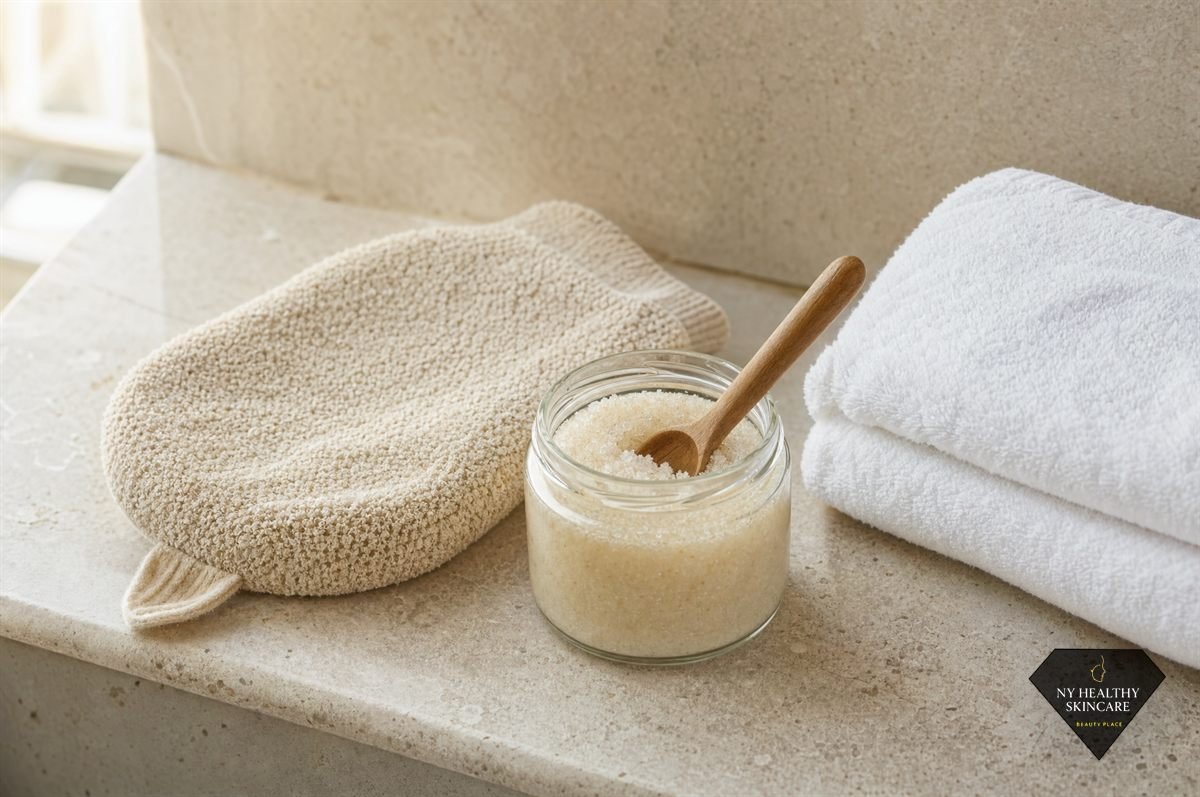
Start on day 3, gently, 2 to 3 times a week. This is the step that prevents ingrown hairs, because it clears the dead skin the regrowth has to break through. A soft exfoliating mitt works. If the skin stings or breaks out after you exfoliate, space the sessions further apart and tell us at your next visit.
Does waxing cause ingrown hairs?
Yes, waxing can cause ingrown hairs when the regrowth of the next 4 to 6 weeks gets trapped under dry skin or dead cells. The hair then curls sideways under the surface.
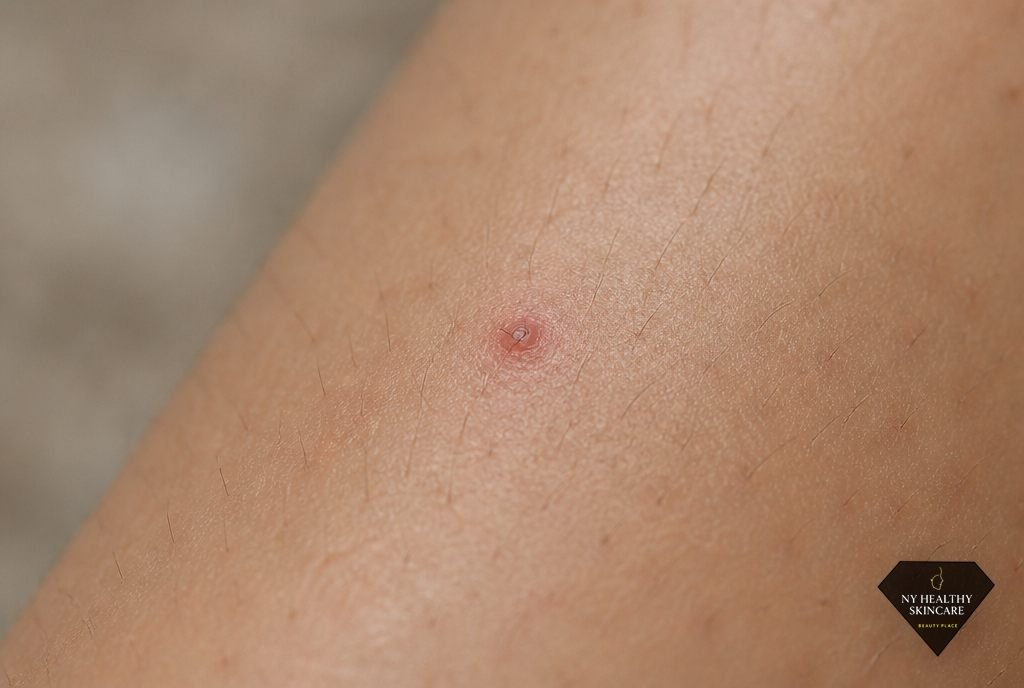
Waxing prevents ingrown hairs only alongside the routine afterward. Hair that snaps during a wax and leaves a broken tip below the surface raises the odds, and so does tight clothing pressing on fresh regrowth.
Shaving the beard causes a related problem: curly hair cut at the surface tends to grow back into the skin, a condition called pseudofolliculitis barbae, or razor bumps. A review of current treatments for razor bumps notes they are more likely with curly hair and can leave dark marks and scars. For bumps along the jaw and neck, we offer the Gentleman's Facial, a 60-minute, $150 men's facial with ingrown hair care.
How to prevent ingrown hairs after waxing
- Exfoliate gently from day 3, 2 to 3 times a week.
- Moisturize the area every day, between appointments too.
- Wear loose clothing for at least the first day.
- Put the razor away; shaving resets the growth cycle.
- Rebook every 4 to 6 weeks.
Razor bumps or ingrown hairs?
To prevent bumps after waxing, follow the same exfoliating and moisturizing routine; razor bumps come from shaving, while ingrown hairs can follow either method.
| Question | Waxing | Shaving |
|---|---|---|
| How the hair comes off | Pulled out at the root | Cut at the surface, leaving a sharp tip |
| How long smooth skin lasts | We rebook every 4 to 6 weeks | Stubble is back within days |
| The bump it can cause | Ingrown hair, when regrowth can't break through the surface | Razor bump, when the cut tip grows back in |
| What prevents it | Exfoliating and moisturizing | Shaving after a shower, with the grain, with a fresh blade |
| The catch | Ingrowns still happen if you skip the aftercare | Shaving between waxes resets the growth cycle |
Waxing aftercare by area: bikini line, underarms, legs and face
Waxing aftercare follows the same 24-hour and day-3 routine on every area, but the bikini line and underarms need the most care because they stay warm and covered all day.
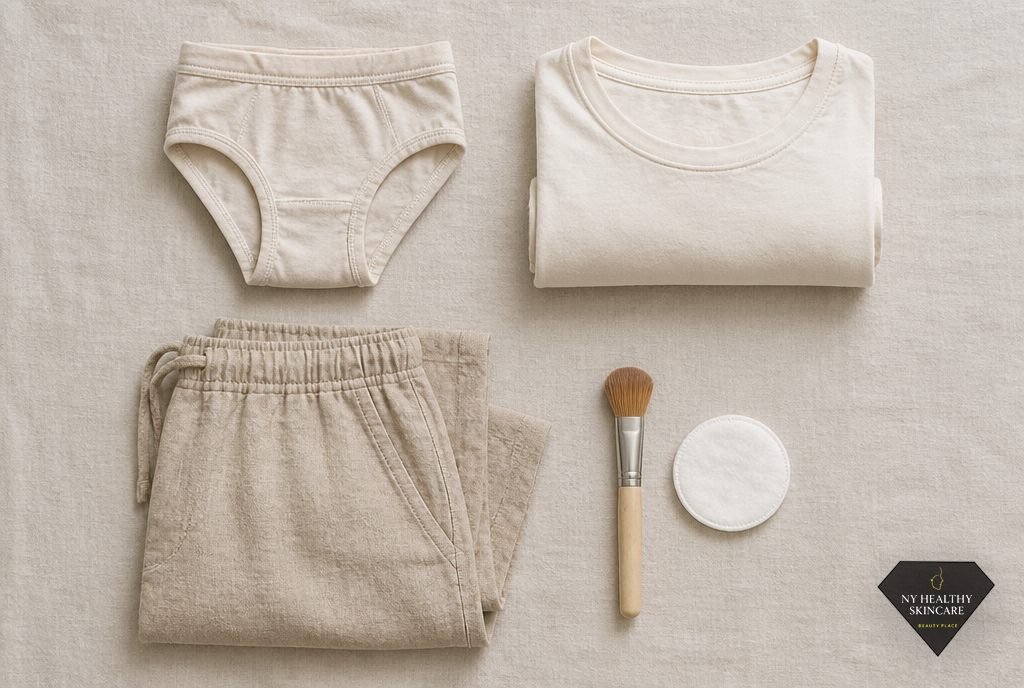
What to put on your bikini line after waxing
On your bikini line after waxing, use a thin layer of fragrance-free lotion and nothing stronger until you start exfoliating. We don't offer Brazilian waxing right now, so this routine is for the bikini line.
For the first day, wear loose cotton underwear and keep leggings and shapewear in the drawer. When you shower, keep the water lukewarm and wash only the outer skin with your fingertips and an unscented cleanser; a loofah is too rough this soon. Then pat everything dry, folds included, so sweat doesn't sit on the skin, and smooth on the thin layer of lotion. To avoid ingrown hairs after a bikini wax, start exfoliating the outer bikini line gently on day 3 and keep moisturizing on the days in between.
Underarm wax aftercare
Underarm wax aftercare is mostly about deodorant and staying dry. Scented deodorants sting and antiperspirants add aluminum salts, so leave deodorant off while the skin looks pink or feels tender, then go back with a fragrance-free formula. Pat the area dry before you dress.
Aftercare for legs and arms
On legs, ingrown hairs tend to come from dry skin plus jeans or compression leggings rubbing on regrowth, so the daily moisturizer matters most here, on arms as well as legs.
Aftercare for face and brows
On the face, keep makeup off the waxed spot until any redness settles, and keep it out of direct sun for the first 24 hours. If you're also due for a facial that clears blackheads by hand, mention both when you book.
When can you shower or work out after a wax?
You can take a hot shower, work out, sit in a sauna or go in the sun again once 24 hours have passed since your wax.

Until then, keep showers lukewarm.
| Skip for the first 24 hours | Why it waits |
|---|---|
| Hot shower or bath | Heat adds to the redness |
| Gym or a run | Sweat and friction irritate open follicles |
| Sauna, steam room, hot tub | Longer heat than a shower |
| Sun or a tanning bed | Freshly waxed skin is already irritated |
If you train most days, book your wax late on a weekday, since we're open until 7:30 pm, and make the next day your rest day.
How to prepare for your next wax
Prepare for your next wax by letting the hair grow to about a quarter of an inch and by putting the razor away completely between appointments.
Under a quarter of an inch, the wax can't grip the hair well and we end up going over the same skin twice. Past half an inch, it hurts more than it needs to.
Five days before your appointment, stop using any retinoid on the area, because retinoid-treated skin can lift under wax; if it's a prescription such as tretinoin, ask your prescriber first. A day or two before, exfoliate gently to clear dead skin away from the hair. On the day itself, leave the area bare, with no scrub, lotion or oil; we need the wax to grip clean skin. If you're sensitive to pain, skip coffee and other caffeine beforehand and consider timing the appointment around your cycle.
Waxing and a 60-minute European Facial can share one appointment; the facial is $150.
How to treat an ingrown hair after waxing, and when to see a doctor
To treat an ingrown hair after waxing, hold a clean washcloth soaked in warm water on the bump a few times a day to soften the skin. Once the swelling goes down, light exfoliation helps the hair reach the surface.
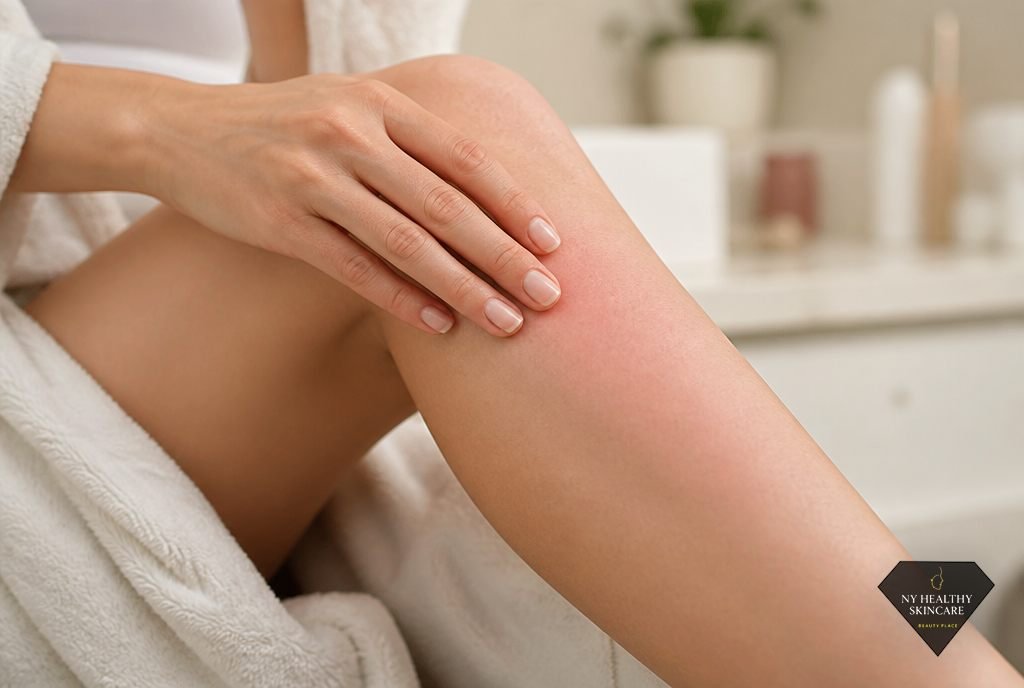
Pink skin, mild warmth or stinging, and small red bumps around the follicles right after a wax are normal reactions to hair coming out at the root, and they fade on their own. If you can see a loop of hair sitting above the skin, lift it with clean tweezers. Never dig for a hair you can't see, and never squeeze: that pushes bacteria deeper and can leave a dark mark that outlasts the bump.
A cluster of pus-filled bumps can be folliculitis, which StatPearls describes as an infected or inflamed hair follicle that forms a pustule or a red bump; it often clears on its own. See a doctor or dermatologist if any of these show up:
- redness or a rash spreading beyond the waxed area
- pus-filled bumps that multiply, or hard and painful lumps
- fever, or skin that looks torn or weeping
- a bump that keeps growing or won't settle
If you take isotretinoin or another prescription medication for your skin, tell us when you book. The doctor who prescribed it decides when waxing is safe for you again. Mention a recent chemical peel on or near the area too, and read how skin recovers after a chemical peel first.
Waxing in New York: July heat and winter-dry skin
New York makes waxing aftercare harder twice a year: in July, when the trip home is hot and crowded, and in winter, when indoor heat pulls moisture out of the skin.

On a hot July afternoon, the subway platform near our West 38th Street studio and a packed car bring back the heat and rubbing that freshly waxed skin should skip for a day. In summer, a late appointment and a direct trip home work better than a wax squeezed in before dinner or a workout. Come in loose clothes so you aren't pulling tight jeans back on over a fresh bikini or leg wax.
Through the cold months, that dryness is how regrowth gets trapped, so moisturize the waxed area every day and give tights a day off after a leg or bikini wax.
Frequently asked questions
Do at-home waxing kits cause more ingrown hairs?
They can. Getting the wax temperature, the pull angle and the skin tension right takes practice, and hair that snaps below the surface is one way an ingrown hair starts. The same aftercare applies after a wax at home.
Is it normal to bleed a little after waxing?
A few pinpoint spots of blood can appear where thick hair comes out at the root. Lifted or torn skin isn't normal. Keep it clean and have a doctor look at it if it turns hot or painful.
Why do I get dark spots where I wax?
Dark spots where you wax are often postinflammatory hyperpigmentation, color left behind after a bump or irritation heals. StatPearls describes it as following skin inflammation or injury; it is more common on darker skin tones and fades slowly, so leave bumps alone and use sunscreen on waxed skin that sees the sun.
Does hair grow back thicker after waxing?
No. On a regular schedule, hair grows back finer and sparser, and it gets less painful to remove each time. That benefit depends on not shaving between appointments.
Do you wax men?
Yes, at our Midtown East location, where men's waxing is booked by phone or text only. The aftercare in this article applies the same way.
Sources
- Folliculitis, StatPearls (NCBI Bookshelf)
- Postinflammatory Hyperpigmentation, StatPearls (NCBI Bookshelf)
- Pseudofolliculitis Barbae: A Review of Current Treatment Options, PubMed
Book a wax in Midtown Manhattan
Book every 4 to 6 weeks, with about a quarter of an inch of hair for the wax to grip. If you use a retinoid on the area or take a prescription medication, tell us when you book. Brazilian waxing isn't available right now; bikini waxing is.
| Service | Time | Price |
|---|---|---|
| Eyebrows (wax / tweezing) | 15 min | $30 |
| Under arm | 15 min | $30 |
| Lower arm / chest | 15 min | $40 |
| Bikini | 20 min | $50 |
| Chin, lips and cheeks | 15 min | $55 |
| Full arm | 30 min | $60 |
| Lower leg | 30 min | $60 |
| Back | 30 min | $80 |
| Full leg | 45 min | $90 |
252 West 38th Street, Suite 404, between 7th and 8th Avenue · Call or text (917) 402-5448 · Rated 4.9 on Google
Men's services at our Midtown East location: 140 E 52nd St, 2nd floor — booking by phone or text only.